The best men’s hair system for a beginner is rarely the most delicate custom lace or the densest “full” look in a catalog photo. First orders succeed when base, density, stock vs custom, and install channel match skill and access — then a short brand list follows. This Best-of gives conditional product shortlists from Lordhair, LaVivid, and Superhairpieces for first-time buyers. Decision order lives on how to choose a hair system; install channel on DIY vs salon; multi-brand hub on the men’s hair system shortlist.
Independent Primpwise editorial. Specs and prices are Public specs (as published; verify on brand site).
How this roundup was built
We compared public beginner-facing stock narratives, density education, and lace/thin-skin hubs — not private wear-tests — and organized picks around beginner friction: missing step-by-step guidance, fear of the first cut-in, DIY vs salon access, lace adhesive learning curves, thin-skin shine, over-density, color that reads too dark once bonded, and whether to buy stock or jump to custom. Community beginner and DIY themes shaped the gates; merchant pages supplied public constructions and list signals.
Decision gates for beginners
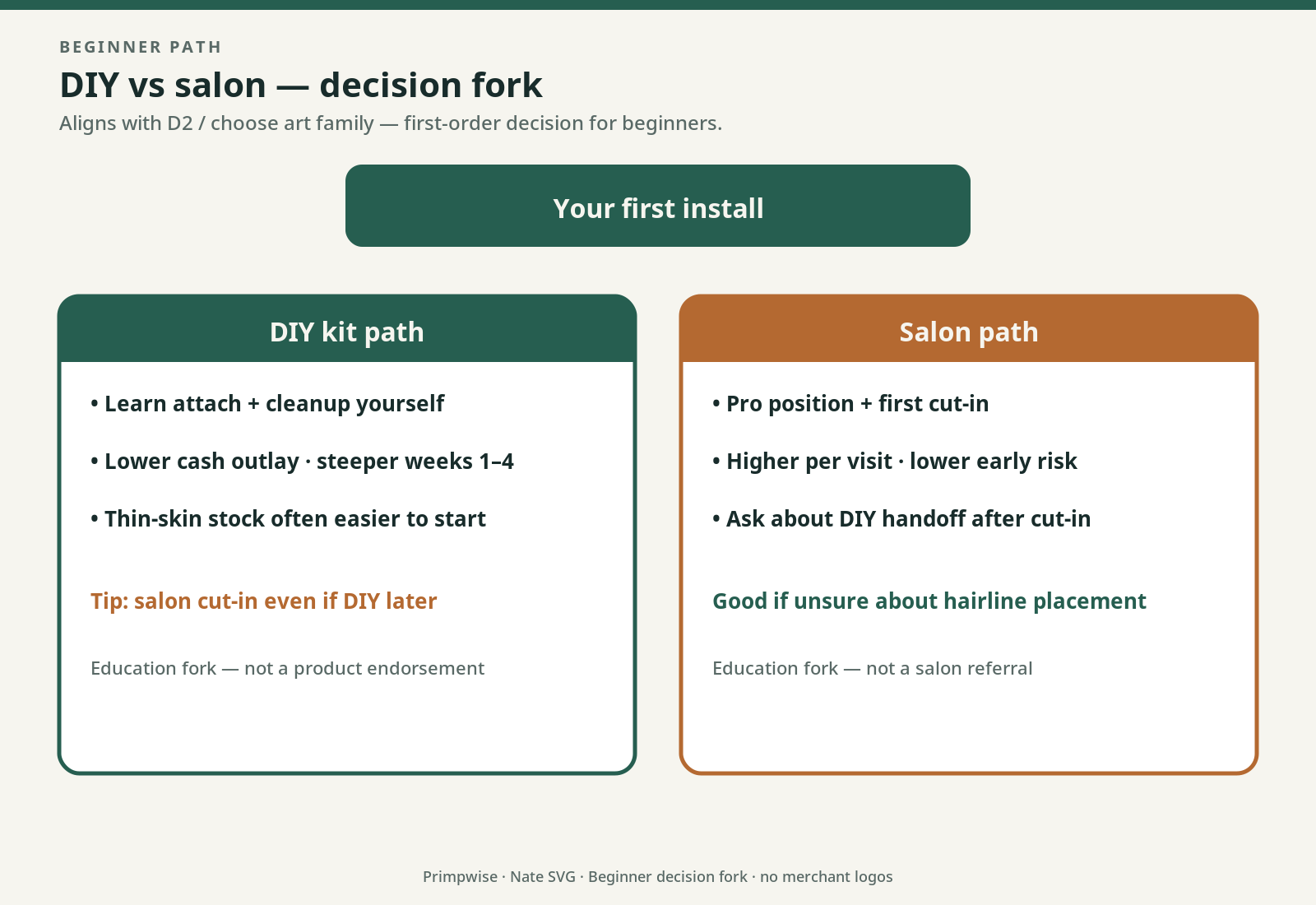
1) Install channel before brand loyalty
Salon-first usually wins for the first cut-in; DIY wins when geography or budget blocks a system-literate stylist and the wearer will practice. Hybrid paths (salon cut-in, DIY reattach) are common and often ideal. Full compare: DIY vs salon hair system install.
2) Stock first unless specs force custom
Stock units absorb learning mistakes when return rules allow unworn/uncut returns. Custom is a poor classroom. Fork: stock vs custom.
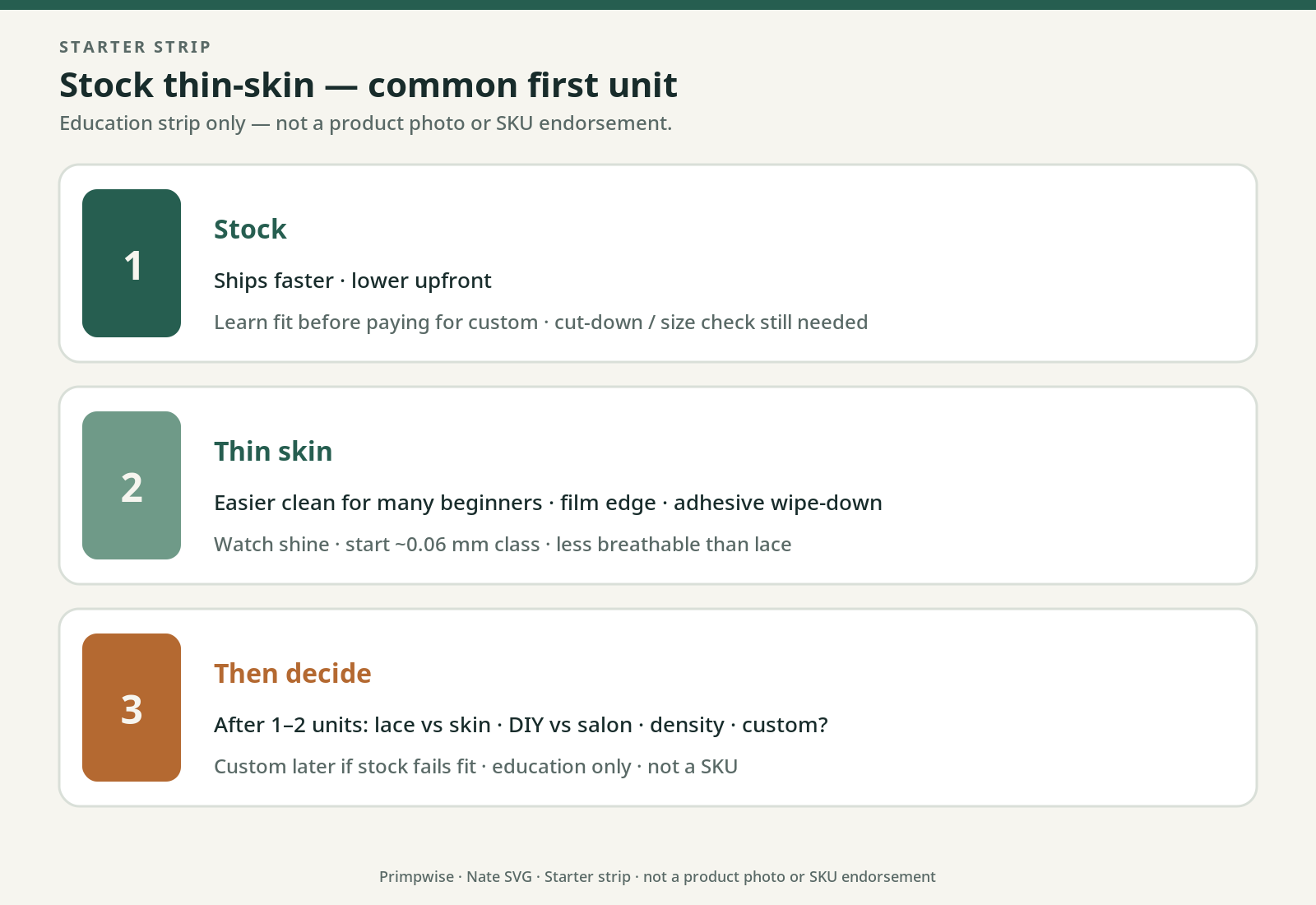
3) Base: thin skin for cleanup vs lace for breathability
| Beginner bias | Choose when… | Watch-outs |
|---|---|---|
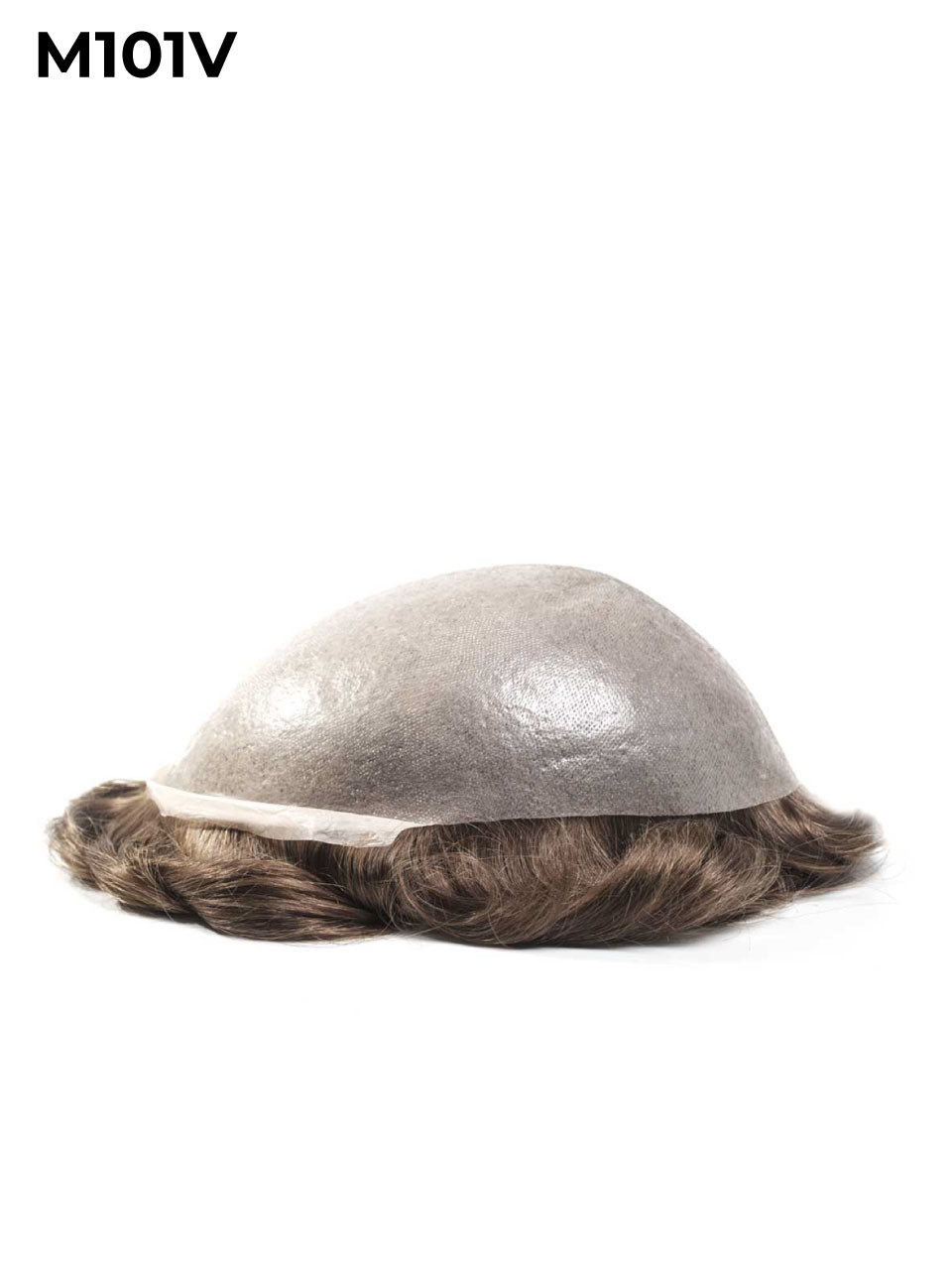
| Stock thin skin / V-loop | Simpler tape cleanup; scalp-like edge; DIY reattach practice | Shine; heat under full poly; ultra-thin fragility |
| Lace or lace-front hybrid | Heat, sport, hairline-first goals | Knot visibility; lace-edge tear; steeper adhesive learning |
| Ultra-delicate custom lace day one | Rarely — only if a stylist owns the process | Expensive mistakes; final-sale risk |
Material fork: lace vs thin skin. Product spokes: thin-skin Best-of · lace Best-of.
4) Density and color — start forgiving
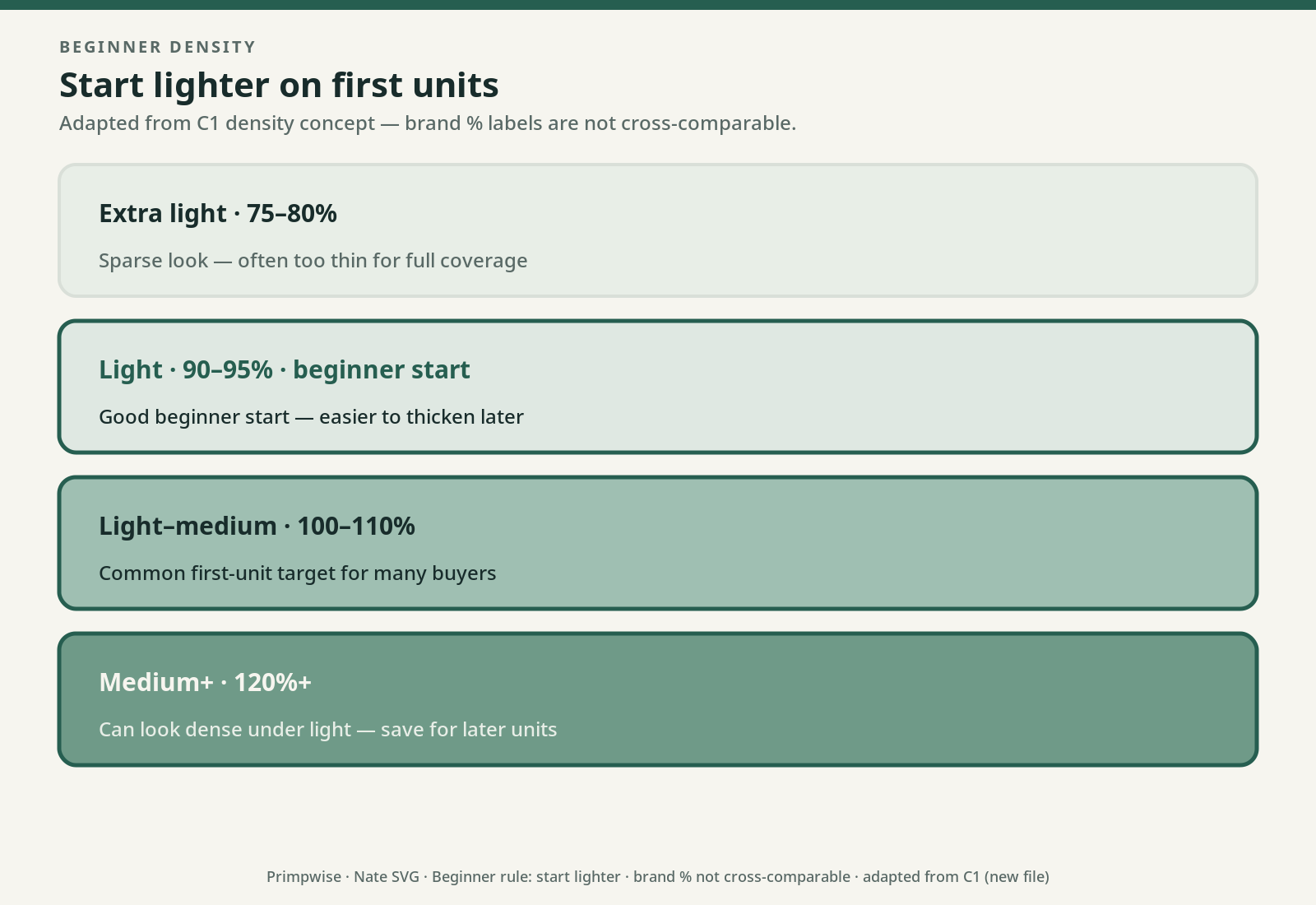
Public stylist density bands (extra light ~75–80% through heavy 130%+) stress lighter for first units and that the same % reads differently by base (SHP density guide). Color: match sides/back in daylight; bias lighter when between shades. Do not match to memory of denser younger hair alone.
5) Maintenance kit honesty
Beginner themes often ask what products are required on day one. Plan for: adhesive matched to base, remover/solvent used carefully, shampoo suitable for bonded hair, and a cut-in plan. Avoid aggressive thinning shears as a density strategy without skill — permanent damage is a real risk theme.
Public specs comparison (beginner shortlist)
Public specs (as published; verify on brand site).
| Brand | Beginner-facing public path | Density / notes (public) | Best when… | Shop |
|---|---|---|---|---|
| Lordhair | SuperSkin-V stock thin skin (~0.06 mm V-loop) framed in brand skin education as a common starter narrative; lace hub if breathability wins; Afro hub for texture | Stock SuperSkin-V medium-light 100% on listing (verify live) | Wants a concrete stock thin-skin SKU story to evaluate first | SuperSkin-V · Lace |
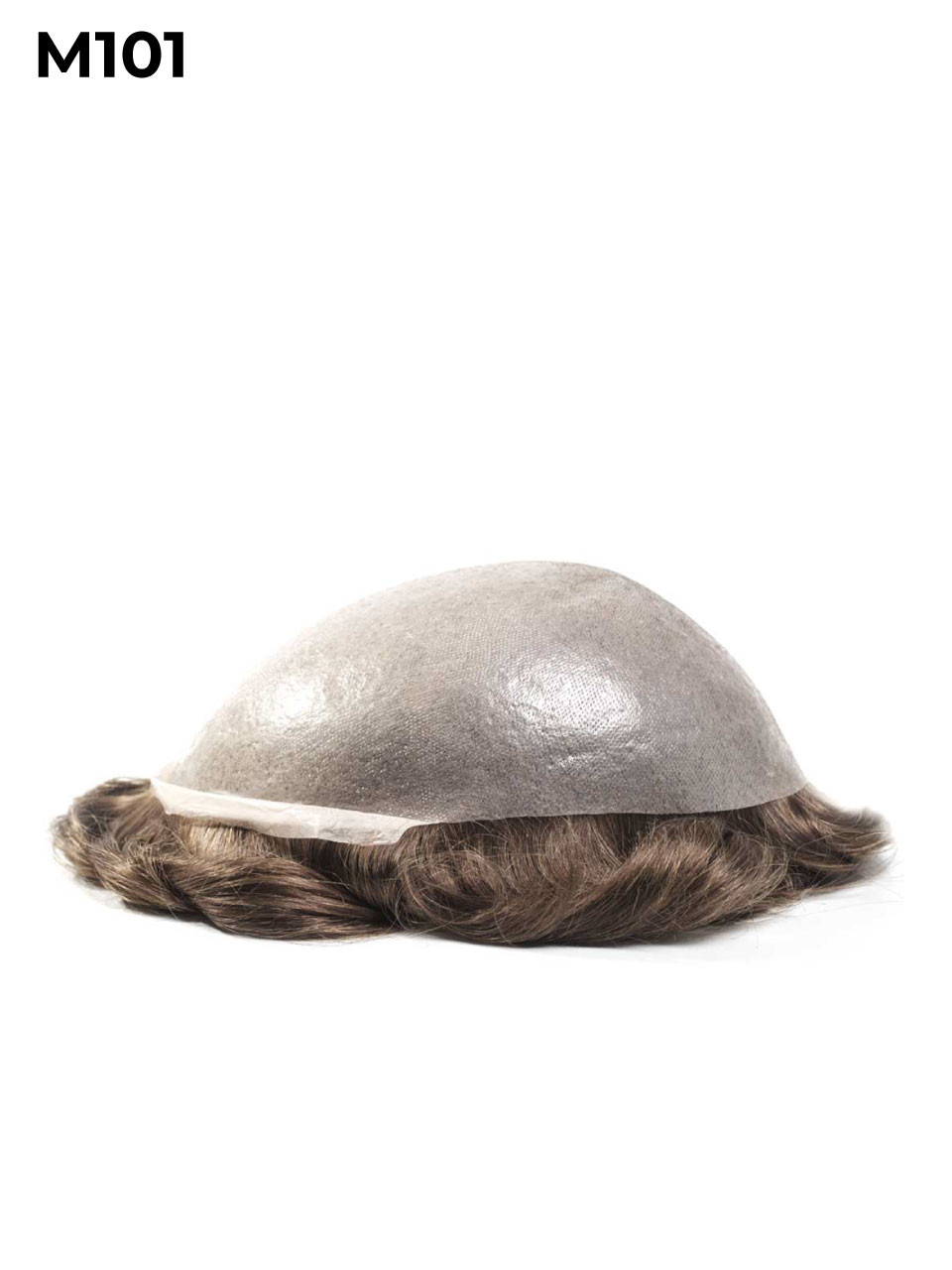
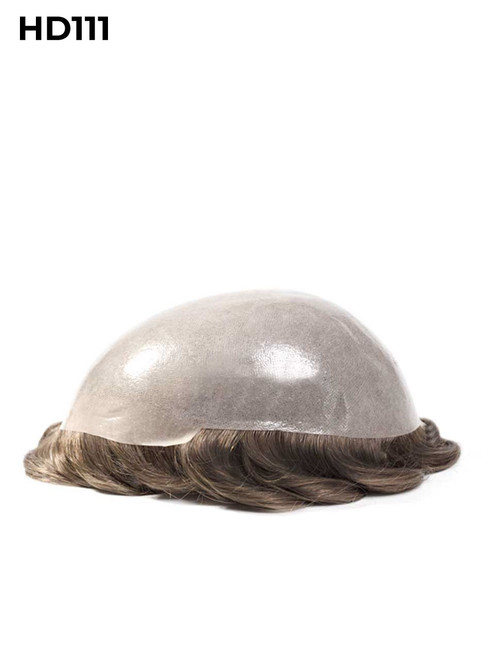
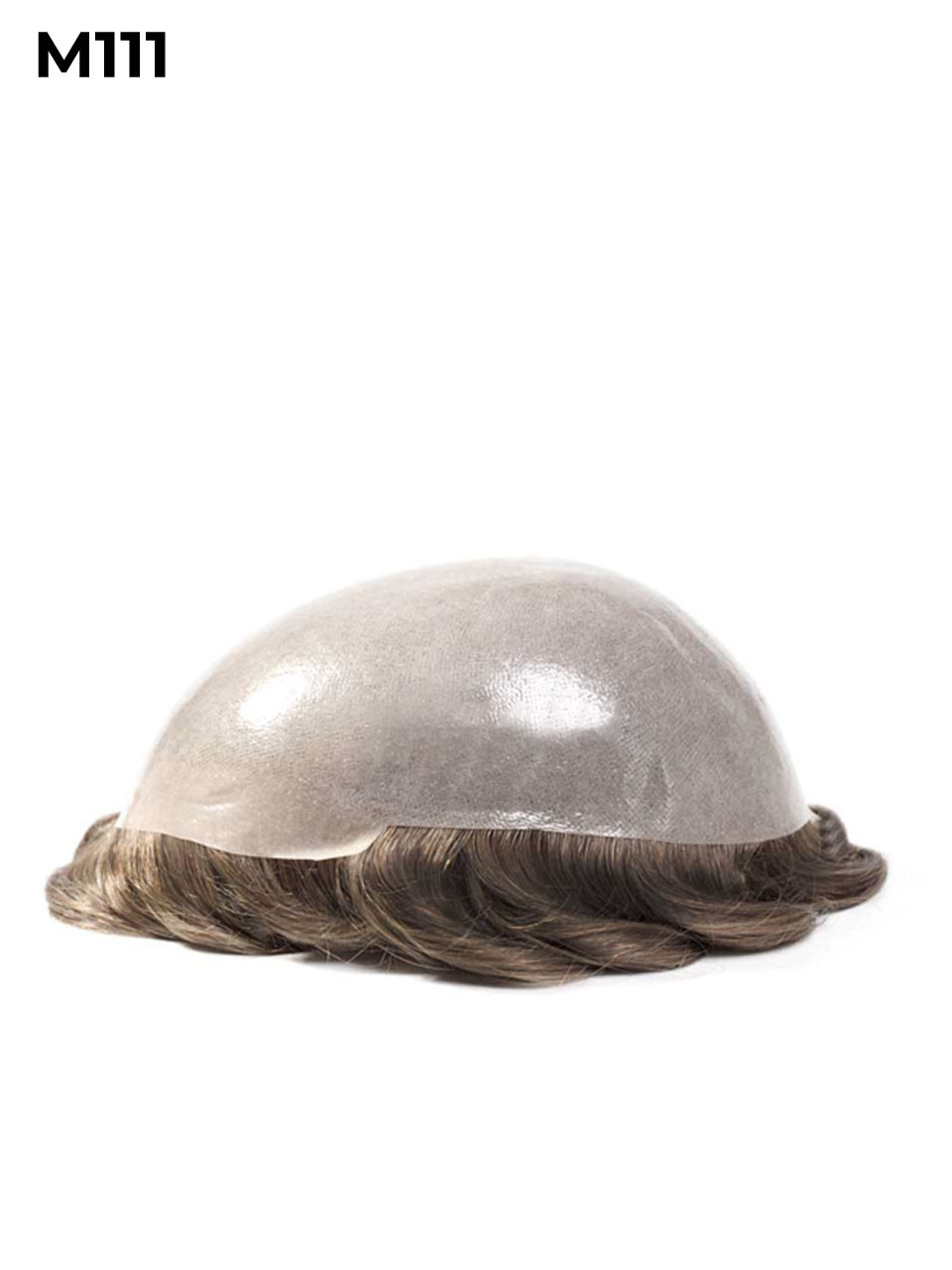
| Superhairpieces | Thin-skin bestsellers education (HD111 / M111 / M101V / M101 cited — verify live); lace + hybrid hubs; density guide | Light systems called out for first units; same % differs by base | Wants vocabulary and education before the first cart | SHP thin skin · SHP lace |
| LaVivid | Stock skin + lace collections; cost article for expectation-setting; custom later | Density as fit variable in education | Comfortable using brand cost bands + stock collections, with custom if stock fails | LaVivid thin skin · LaVivid lace |
| UniWigs (optional) | Men’s toupee hub — confirm beginner-suitable men’s HS live | Verify live | Only with a confirmed live men’s listing | UniWigs men’s hub |
Price signals beginners can plan against
| Source | Public signal (verify live) | Link |
|---|---|---|
| Lordhair SuperSkin-V | About $249 USD list signal on stock page | SuperSkin-V |
| LaVivid cost article | Lace ~$250–$290; skin ~$100–$299; mono ~$190–$350 bands | Cost article |
| Superhairpieces | Unit shelves: check live listing | Thin-skin bestsellers |
Cash planning beyond the unit: cost breakdown · budget Best-of.
Conditional recommendations
If beginner + DIY + cleanup simplicity → stock thin skin, light density
Shop: Lordhair SuperSkin-V · SHP thin skin · LaVivid thin skin

Still budget a professional first cut-in when possible (DIY vs salon).
If beginner + heat/sport/hairline-first → lace or lace-front hybrid (with help)
Shop: Lordhair lace · SHP lace · LaVivid lace · optional SHP hybrid
Prefer salon attach for first lace cycles when access exists.
If beginner + tight budget → stock + TCO plan, not thinnest custom
Follow budget Best-of and cost breakdown. Read return windows before cutting.
If Afro / kinky coils on order one → texture-matched stock, barber cut-in when possible
Curly fiber reads fuller at the same density %. Start with public Afro hubs such as Lordhair Afro; verify SHP / LaVivid Afro-capable listings live. Custom when stock curl ladders miss: LaVivid custom.
If still choosing surgery vs system → do not rush the cart
Hair system vs hair transplant. Clinician for medical eligibility.
First-order checklist
- [ ] Bald/thinning area measured
- [ ] Install channel chosen (salon / DIY / hybrid) — see DIY vs salon
- [ ] Base chosen for lifestyle (lace vs thin skin)
- [ ] Density light / light–medium unless bio hair clearly supports more
- [ ] Color matched to sides/back in daylight
- [ ] Stock vs custom decided (stock vs custom)
- [ ] Two merchants shortlisted that publish the needed base
- [ ] Live price, lifespan language, unworn/uncut returns verified
- [ ] Adhesive starter plan matched to base
- [ ] Cut-in booked or explicit DIY cut plan with skill honesty
Decision tree detail: how to choose a hair system.
Brand notes (horizontal)
Lordhair
SuperSkin-V offers a concrete public stock thin-skin starter narrative; lace and Afro hubs cover other first-order gates. Re-check mm and density live.
Superhairpieces
Education depth (density, thin-skin bestsellers, lace/hybrid) helps beginners learn vocabulary before buying. Shelves = live pages.
LaVivid
Stock skin/lace collections plus published cost bands for expectation-setting; custom when stock fails after learning — not as a default first classroom.
Common beginner failure modes (fixable)
- Density too high — piece sits on top of the head.
- Uncut stock unit — always looks like a unit.
- Wrong install channel — no stylist and no practice plan.
- Lace day-one without technique — tear and knot panic.
- Custom before stock learning — final-sale expensive lessons.
- Color matched to old photos only — reads dark once bonded.
- Skipping adhesive/remover plan — hold failure blamed on “bad brand.”
What “natural” means on order one
Beginner unnatural-look themes usually collapse to controllable specs: density too high for bio hair, unfinished cut, poly shine or lace knots, and color mismatch. A correctly specified stock unit with a good cut typically beats an expensive custom worn uncut. Undetectability is a system of decisions — base, density, color, cut, adhesive — not a brand slogan. When confidence is the goal, invest first in match and blend, then in finer bases.
If the reader is still mapping all gates in order (base → density → color → size → install → brand), stay on how to choose a hair system and treat this Best-of as the product shortlist at the end of that tree.
Practice plan for DIY beginners
Self-install is learnable, but isolation without feedback is a common failure pattern. Practical editorial bias:
- Watch technique resources, then practice adhesive on scrap or a cheap practice base if available before the “good” unit.
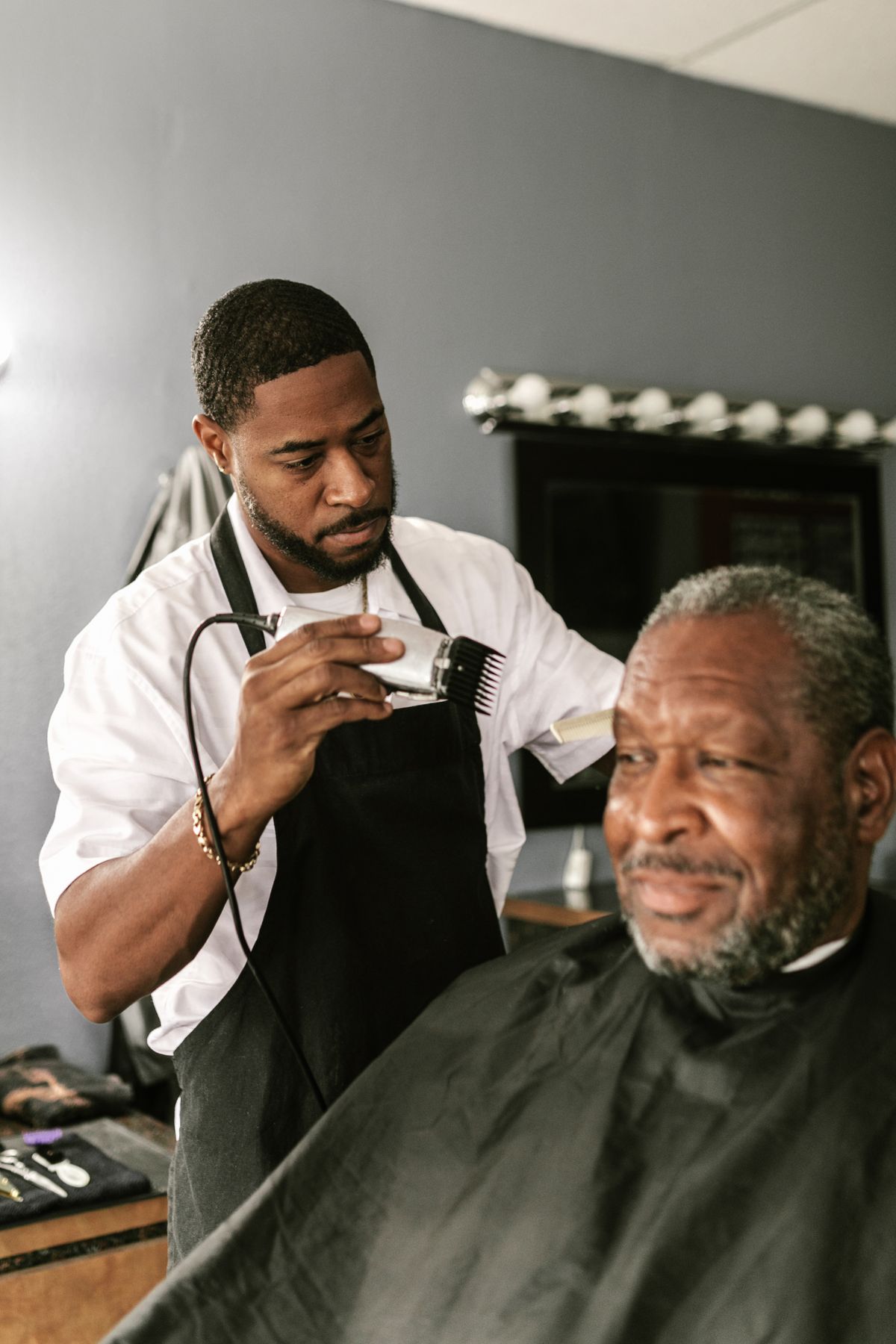
- Schedule the first cut-in with a system-experienced stylist even if reattaches will be DIY.
- Keep a simple log: adhesive used, wear days, lift points, cleanup issues — so the second order fixes specs instead of repeating luck.
- If no local stylist exists, prioritize forgiving stock thin skin over ultra-delicate lace for the first sixty days.
Access and salon-finding friction is exactly why the DIY vs salon page sits next to this Best-of.
FAQ
What is the best hair system for a first-time buyer?
No universal SKU. Most beginners do best with stock, light / light–medium density, a base they can maintain (often thin skin for cleanup, or lace if lifestyle forces it), and a plan for a professional first cut-in when possible.
Do beginners need a salon?
Not always for every reattach — but the first cut-in is where permanent mistakes happen. See DIY vs salon.
Thin skin or lace for beginners?
Cleanup simplicity → thin skin. Heat/hairline → lace or hybrid. Compare on lace vs thin skin.
Should the first system be custom?
Only when stock cannot meet coverage, curl, or color ladders. Otherwise stock — stock vs custom.
How much should a beginner budget?
Public stock signals often land in the low hundreds USD for the unit; adhesives and cut-in add more. Use cost breakdown and budget Best-of.
Related guides
- DIY vs salon hair system install — Must
- How to choose a hair system — Must
- Best hair systems for men (2026) — Must hub
- Best budget hair systems for men · Thin skin · Lace
- Stock vs custom · Lordhair vs LaVivid vs Superhairpieces
Closing
- Lock install channel and stock-first bias.
- Choose base for lifestyle, not catalog glamour.
- Choose lighter density if unsure.
- Shortlist two beginner-friendly stock paths from the table.
- Verify live price, returns, and cut-in plan before the scissors touch the unit.
Shop beginner shortlist: Lordhair SuperSkin-V · SHP thin skin · LaVivid thin skin · Lordhair lace · SHP lace · LaVivid lace
Image credits: Cover photo: Stock photo: Chris Woodrich / Wikimedia Commons, CC BY-SA 4.0 (cropped and resized); Barber photo: Stock photo: RDNE Stock project / Pexels.
Diagrams: self-drawn by Polishwise.
Product images from Lordhair and Superhairpieces product pages, linked to the source pages.
Product images are merchant images, not photos taken by this site.