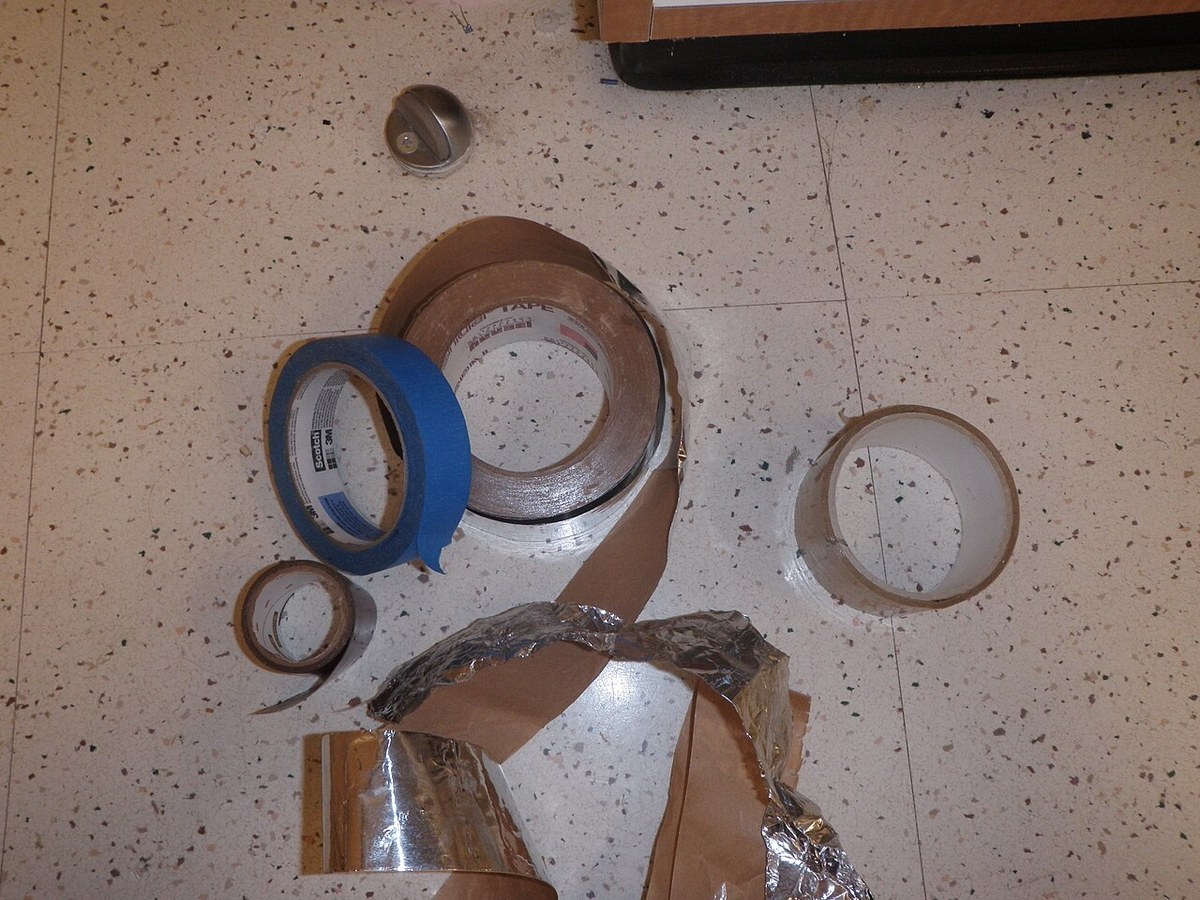
After the first ninety days, men’s hair-system success looks less like novelty and more like inventory: unit rotation, dated adhesives, calendar rebonds, and retiring bases before ghost bonds cost skin. This page collects advanced maintenance habits for experienced wearers — without invented case studies or fake testimonials. Specs and lifespan bands are Public specs (as published; verify on brand site).
Cost and replacement math: hair system cost breakdown. Gates refresh: how to choose a hair system. Stock vs custom: stock vs custom hair system. Early-cycle contrast: first-wear checklist. Hub: men’s shortlist.
Two units beat hero masochism
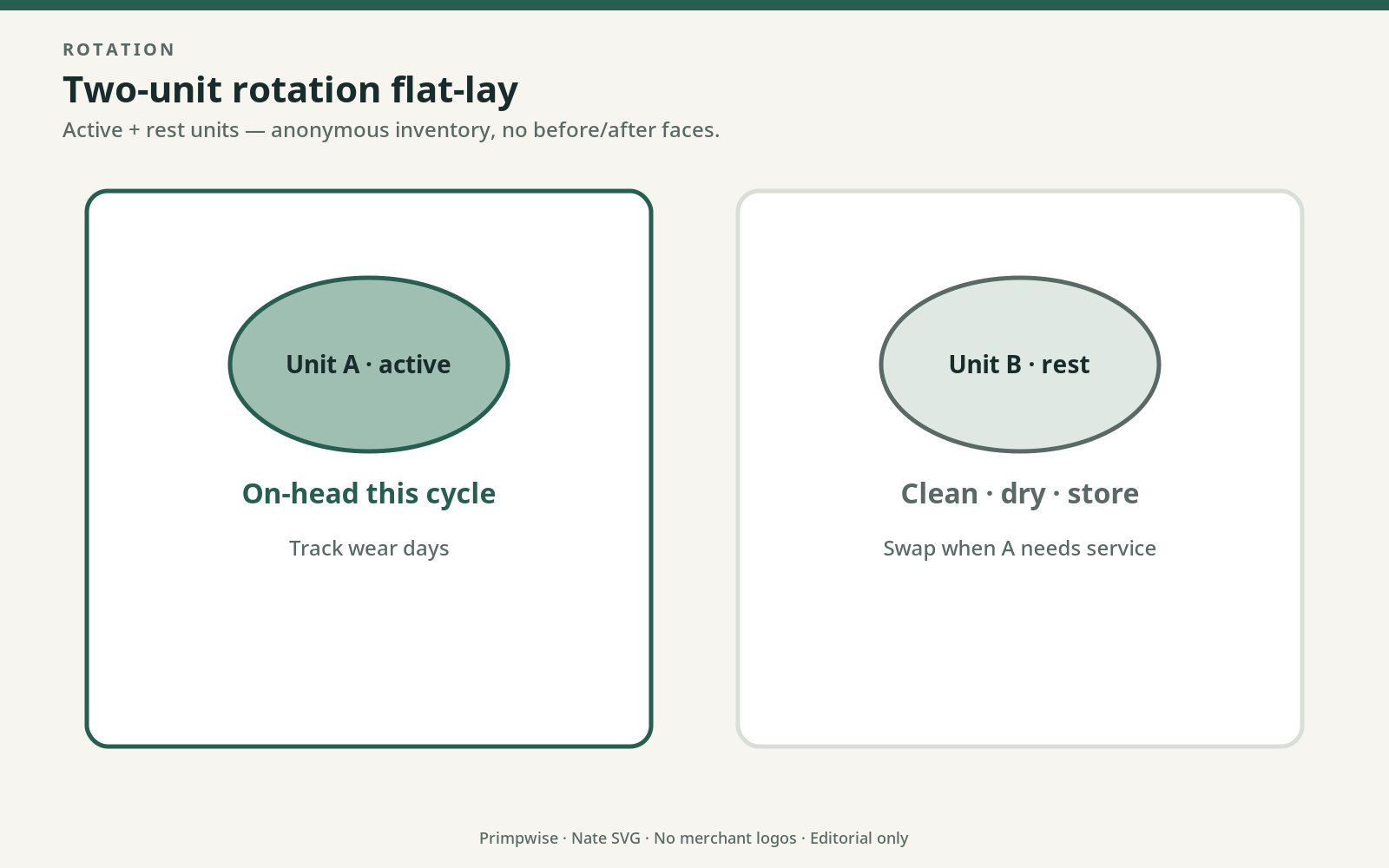
Owning a second stock piece lets the scalp rest bare while presentation continues — fewer emergency orders, fewer torn ultra-thin films from rushed removals. Rotation pairs with honest TCO on the cost breakdown. Beginners often start with one unit; year-two wearers frequently graduate to rotation when budget allows.
Calendar rebonds before mirror shame
Put full refresh on the same rails as oil changes. Stretching a lift “until the weekend interview” is how residue and irritation compound. Lifestyle bands for sweat: sweat and oil management. Early habits that still apply: first-wear checklist.
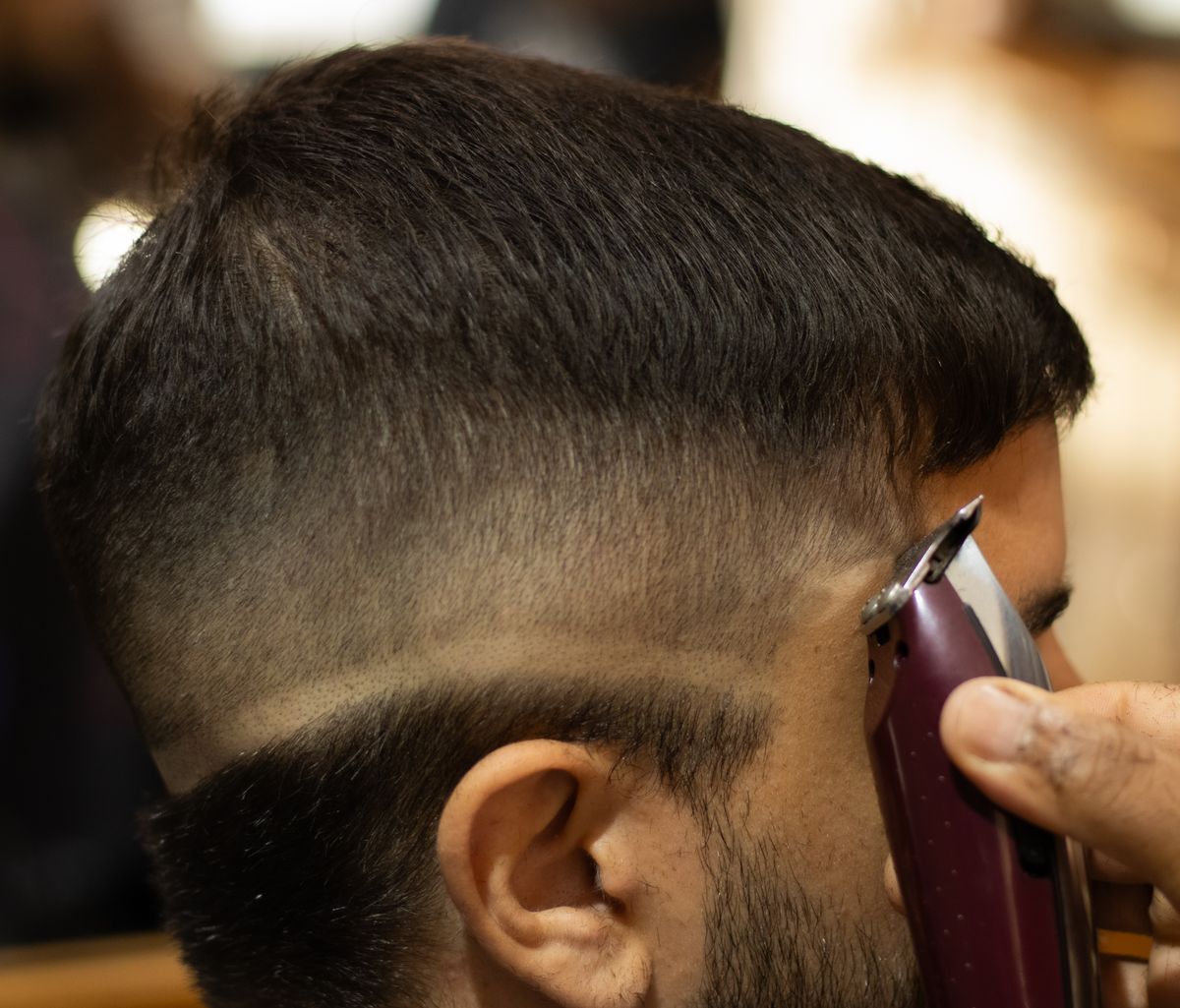
Optional salon cadence some studios quote (editorial reporting of common ranges, not a brand promise): heavier sweat or sharp hairlines may book full service every couple of weeks; drier lifestyles longer. DIY wearers can mirror the honesty without copying a salon name.
Adhesive has a shelf life
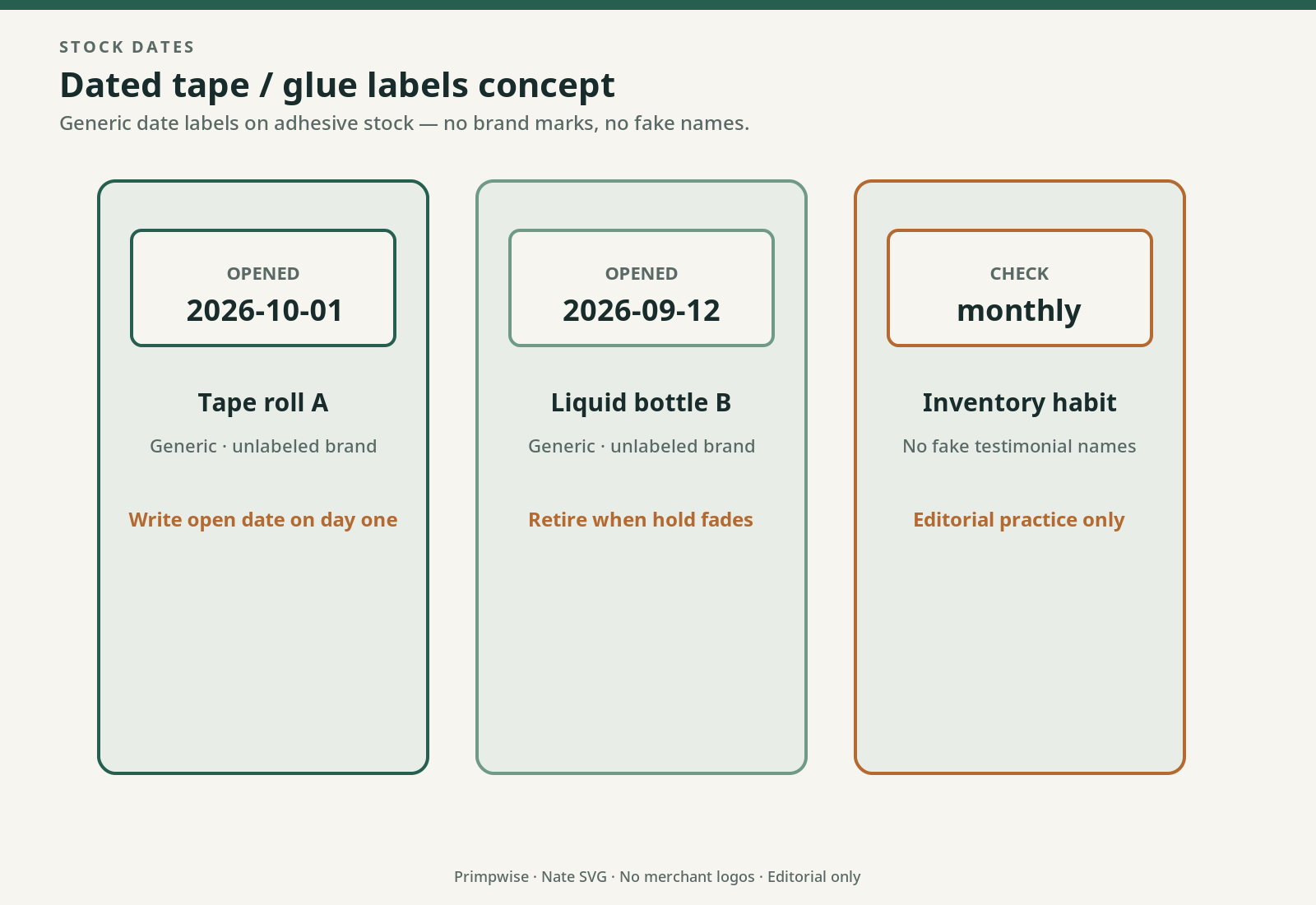
Half-used liquid skins in caps; old tape dies quietly. Date-open chemistry like milk. Toss questionable inventory before travel weeks. Mystery lifts after “the same tape as always” often trace to dead adhesive, not base quality.
Weekly edge inspection under raking light
A chin-down bathroom check catches 1 mm micro-lift for a patch contour — and ≥3 mm gaps for a weekend full refresh. Temples and sideburn transitions fail first for many phone-propped sleepers. Photograph good hair days after bond so the same barber can repeat geometry (can a regular barber cut a hair system).
Partial touch-ups vs full refresh honesty
Veterans sometimes add contour tabs mid-week to buy Friday — acceptable if the poly edge is clean and no residue ghosting peels with hair. The moment ghost film lifts dirty, stop patching and open a full clean cycle.
Density aging and base retirement
System hair does not “grow out” density problems; wearers thin and restyle as bio sides change. Ultra-thin films approaching published wear windows may look fine in the mirror while failing microscopically at the edge — retiring early beats stretching ghost bonds. Lace and mono public lifespan bands are longer on many catalogs but still need shed inspection; verify each brand’s published range.
When coverage geometry or grey blend outgrows stock, move the decision through stock vs custom rather than forcing a wrong panel.
Failure-mode logging (boring, profitable)
When lift repeats three cycles identically, chart humidity, workouts, new products, and adhesive open dates. Patterns beat brand swapping. A notes-app template beats empty spreadsheet theater:
Week of: ____
Humidity / climate notes: ____
Rebond date: ____
Tape / bond class: ____
Lift notes: ____
New product this week? ____
Travel kit discipline
Carry pre-cut contour strips matching the wearer’s pattern, compliant remover, microfiber, and a rigid case for a backup unit. Cabin dryness changes skin lipids — land, shower, re-prep before judging lift. Inventory planning beats overnight panic shipping; cost context on cost breakdown.
Outsource the haircut, own the bond
Year-two men often keep DIY bond and pay barbers for fade geometry. Book cut-in after a fresh bond when possible — tired ghost bonds hate clipper vibration. Channel refresher: DIY vs salon.
Match SKU to real calendar stress
Mono durability vs ultra-thin undetectability vs lace heat tolerance is not a morality ranking — it is physics against gym, travel, and humidity stacks. Revisit how to choose annually as lifestyle changes. Merchant public education (density, base hubs) still helps veterans avoid hero density (SHP density guide).
Tool tray — Sunday night reset
Standardize a small tray so decision fatigue does not become a bond killer:
| Slot | Item |
|---|---|
| A1 | Fresh contour tapes |
| A2 | Remover + timer habit |
| A3 | Prep wipes suitable for intact skin |
| A4 | Waste bag for old tape |
Veterans who reset the same tray every Sunday report fewer late-night supply hunts. Pair with rotation so one unit can dry/rest while the other is worn.
Teach one backup human
Pick one trusted adult who can ferry tape if luggage is forgotten — minimal disclosure, maximal phone number. Logistics friends are replaceable parts; rotate if drama creeps in. This is inventory, not a social media announcement strategy (should I tell people).
Conditional CTAs for rotation inventory
If rotating thin-skin / simpler cleanup backups: Lordhair SuperSkin-V · Superhairpieces thin skin · LaVivid thin skin

If lace / hybrid summer rotation: Lordhair lace · Superhairpieces lace · Superhairpieces hybrid · LaVivid lace
If coverage geometry left stock behind: LaVivid custom
Year-three mindset: boredom scales
Novelty fades; competence remains. Wearers who survive year three usually pick SKUs that tolerate their real gym, travel, and humidity stack — then stop romanticizing invisible units that hate their calendar. Lifespan economics belong on cost breakdown; geometry upgrades on stock vs custom.
Support tickets that help
When emailing a merchant, daylight photos of the base edge, SKU/base family, weeks worn, and adhesive class beat war stories. Merchants cannot diagnose dermatology from an inbox; they can sometimes flag ventilation or SKU mismatch faster when evidence is organized.
Vacation hand-off checklist
Carry-on reality: compliant remover bottle, pre-cut contours, microfiber, and a rigid backup-unit case. Soft-packing lace into sneakers is how knots and edges die before the first beach day. Rebond before the trip when possible so hotel Wi-Fi is not a supply desk.
FAQ
When should someone move from tape-only to liquid on poly?
After multiple clean cycles on calm skin — not after one lucky humid week. Reactive scalps: allergy vs irritation.
Is DIY always cheaper long-term?
Time is money. Many veterans forever outsource cut-in while keeping bond DIY.
Best single insurance item?
A second backup unit in breathable storage, plus dated fresh tape.
Stock forever or graduate to custom?
Stock covers most rotation needs; custom belongs to specific geometry/grey/texture gaps (stock vs custom).
Closing
Long-term wear rewards boring competence: rotate units, date chemistry, calendar refreshes, retire bases early, and log failures. Re-check cost and choose gates on cost breakdown and how to choose, then keep inventory via the men’s shortlist.
Image credits: Cover photo: Stock photo: Jstapko / Wikimedia Commons, CC BY-SA 3.0 (resized); Barber photo: Stock photo: Brian Silva / Pexels.
Diagrams: self-drawn by Polishwise.
Product images from Lordhair product pages, linked to the source pages.
Product images are merchant images, not photos taken by this site.