Skepticism about men’s hair systems often rests on a mental image that is decades old: thick opaque bases, uniform “helmet” density, and clip hardware that shifted in wind. That product category still exists in low-quality corners of the market. It is not what most serious stock and custom catalogs sell in 2026. This page explains what changed in materials and construction — lace mesh, ultra-thin polyurethane films, density graduation, and hybrid perimeters — so readers can update the mental model. Specs are Public specs (as published; verify on brand site).
For the present-day “does it look fake in this lighting / at this distance?” question — scenario by scenario — use the sibling guide how natural does a hair system look. Do not treat this history page as a duplicate of that checklist. Material fork for shopping: lace vs thin skin. Multi-brand shortlist: best hair systems for men 2026.
The old failure modes (why the stigma stuck)
Older mass hairpieces commonly stacked three visual problems:
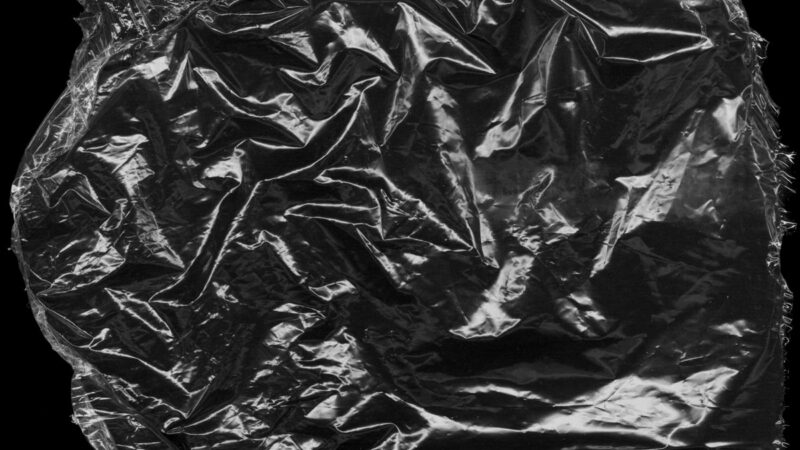
- Opaque, shiny bases that reflected light differently from skin under fluorescent or flash.
- Uniform density from front to crown — a wall of hair instead of a soft graduated hairline.
- Mechanical attachment (clips, weak tapes) that invited visible lift and wearer anxiety.
Community “looks fake” pain themes today still echo those three failures when someone buys an uncut dense stock unit and skips cut-in — but the available materials have moved on. The stigma often lags the catalog by a generation.
Revolution 1: Lace and ventilated fronts
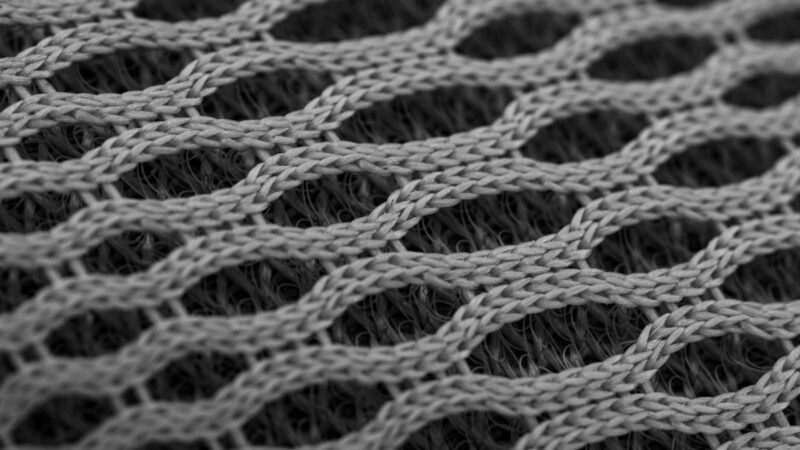
Fine lace mesh allowed individual hairs to be hand-tied through a sheer ground. Against a matched scalp tone, the mesh can read as scalp at conversational distance when knots are managed and density is graduated. Breathability improved versus sealed plastic caps — a practical win for heat and sweat, not only for looks.
Tradeoffs remain: lace edges need careful adhesive handling; DIY cleanup is steeper than wipe-clean poly for many beginners. That is why lace vs thin skin is still a live decision tree, not a solved slogan (lace vs thin skin; education: lace hair system guide).
Revolution 2: Ultra-thin polyurethane “skin” films
Polyurethane film bases became thin enough that public merchant language now routinely cites sub-millimeter thickness tiers (exact mm varies by SKU — verify on the listing). Matte finishes reduced the classic plastic shine. Bonded flat, a well-colored thin-skin edge can mimic scalp silhouette more simply than early lace for some wearers — at the cost of less venting and, for ultra-thin films, shorter published wear windows and careful handling.
Lordhair’s publicly framed SuperSkin-V stock path is one commonly cited thin-skin beginner narrative (SuperSkin-V). Superhairpieces publishes dedicated thin-skin and lace hubs that show how the category split is merchandised today (SHP thin skin; SHP lace). Education spoke: thin-skin hair system guide.

Revolution 3: Hybrid engineering and graduated density
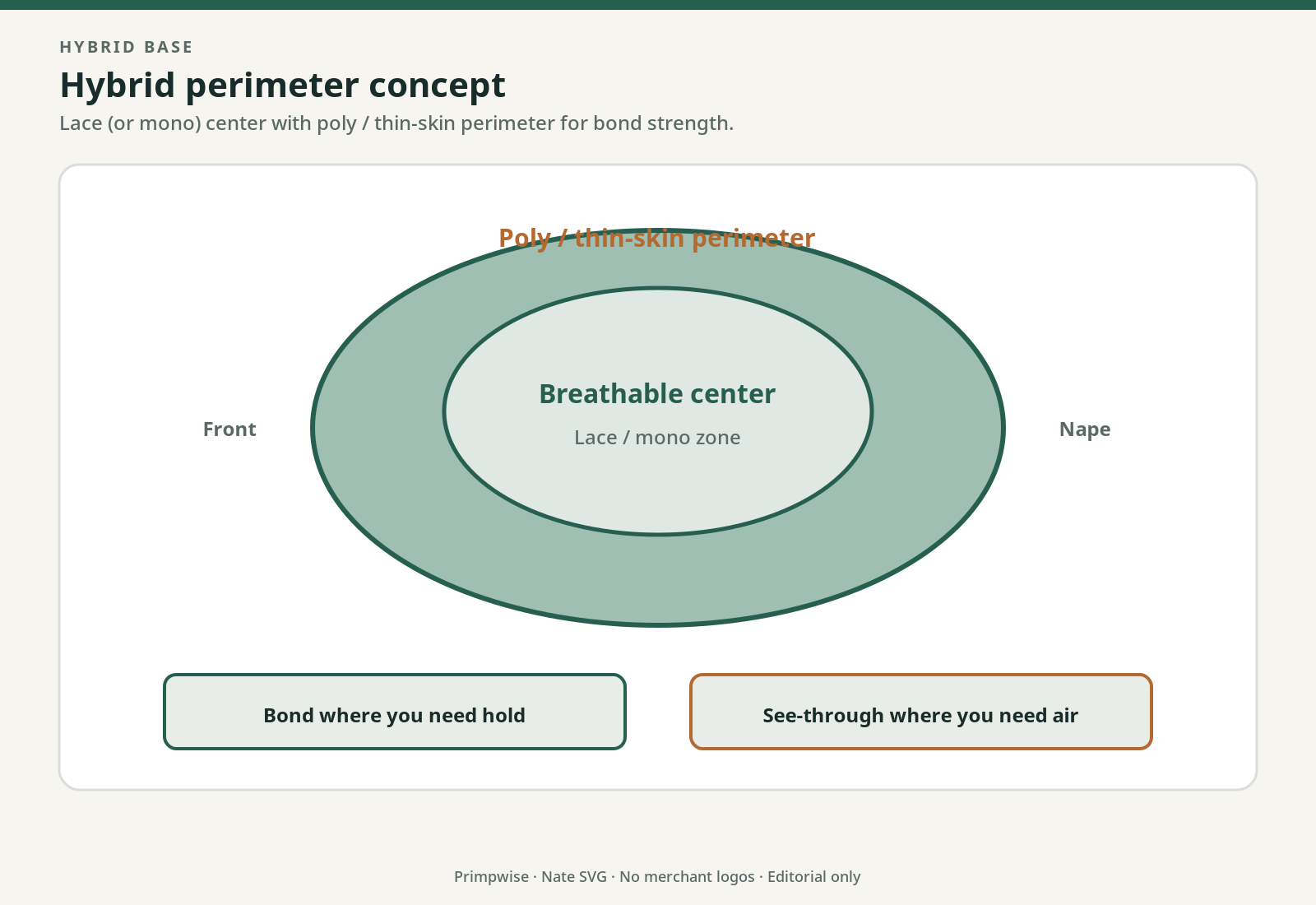
Rather than forcing a single material across the whole base, many modern constructions combine a lace or ventilated front/top with a polyurethane perimeter for tape-friendly edges — the public “hybrid” category. The visual goal is soft front + durable bond line.
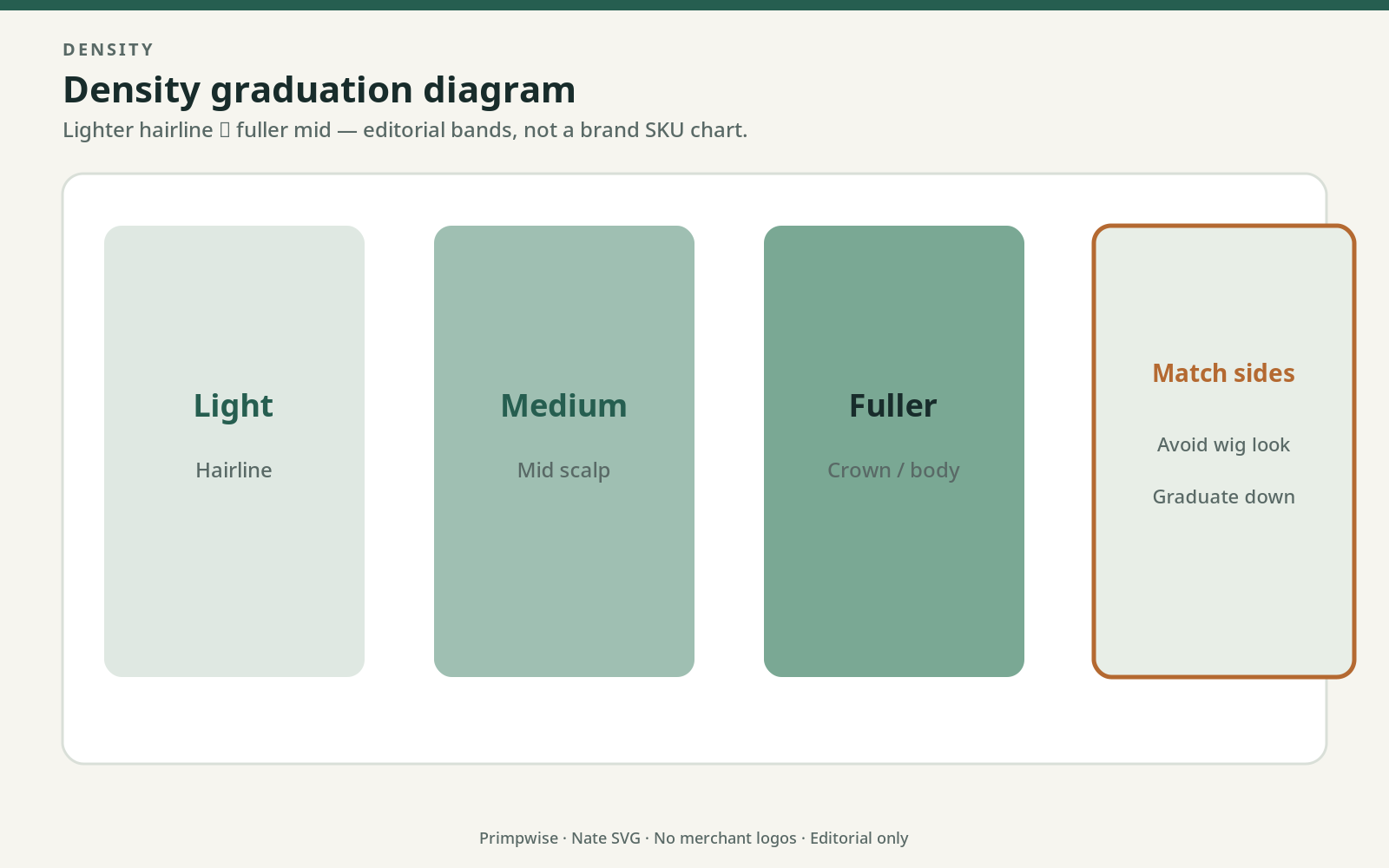
Alongside material changes, density mapping (lighter at the front fringe, fuller toward the crown) replaced uniform walls of hair. Merchant density education — for example Superhairpieces’ stylist density guide — exists because buyers still over-order hero density and then blame “the technology” (SHP density guide).
Adhesive chemistry also moved from weak mechanical clips toward medical-adjacent tapes and liquid bonds designed for lace or skin grounds. Hold still depends on scalp prep and wear windows — evolution did not cancel maintenance.
What evolution does not automatically fix
Modern materials do not erase:
- Factory length and shine before cut-in and wash.
- Color mismatch in daylight.
- Over-dense fronts relative to bio sides.
- Peel from oil, sweat, or dry-peeling adhesive.
Those are present-day scenario failures — covered on how natural does a hair system look — not proof that lace and thin skin “never improved.”
Practical takeaway for shoppers
If skepticism comes from a memory of 1990s plastic caps, update the category: sheer lace, thin matte poly, hybrids, and graduated density are mainstream stock options across major men’s catalogs. Then shop by lifestyle and skill, not by nostalgia.
If lace / hybrid / heat and soft front: Lordhair lace · Superhairpieces lace · Superhairpieces hybrid · LaVivid lace
If thin skin / scalp-like edge / simpler cleanup: Lordhair SuperSkin-V · Superhairpieces thin skin · LaVivid thin skin
Decision order before brand shortlists: how to choose a hair system.
Accessibility and stock reality
A decade ago, many of these constructions were specialty-order only. Public catalogs from major men’s sellers now list lace, thin-skin, and hybrid stock as standard inventory categories — still with custom paths when coverage or texture demands it. Accessibility does not erase cut-in or density skill; it removes the myth that natural-looking units exist only behind salon doors.
Lordhair, Superhairpieces, and LaVivid all publish lace and/or skin collection hubs that illustrate the split without requiring readers to accept any single house narrative (Lordhair lace; LaVivid lace collection context via go path in CTA).
How to use this page with B5
Read this page to update the technology story. Read how natural does a hair system look to judge today’s unit under street light, conversation distance, flash, wind, and touch. Cross-link both; do not collapse them into one keyword cluster.
Cumulative effect: coverage vs integration
Each materials change solved a specific visual or psychological failure of older pieces. Combined, the goal shifted from “sit on the head and cover baldness” to integration with side and back bio hair — cut, styled, and worn through weather and training when bonds are healthy. That is a different product category sharing an old vernacular name. Readers still must execute density, color, and cut-in; evolution removed excuses, not skill.
FAQ
Are modern systems the same product as old toupees?
They share the category of non-surgical hair replacement, not the same base physics. Sheer lace, thin matte poly, and graduated density are structurally different from thick opaque caps.
Does better material guarantee undetectability?
No. Materials remove old failure modes; cut-in, density, and color still decide day-to-day realism. See the scenario guide for lighting and distance.
Why do hybrids exist if lace is “more natural”?
Hybrids trade some front purity for a tape-friendly perimeter and easier real-world maintenance. “More natural” is multi-factor, not a single material slogan.
Did adhesives matter as much as bases?
Yes for wearer confidence. Chemical bonds that hold through sweat and contact reduced the clip-era anxiety that made older pieces feel precarious — still contingent on prep and product labels.
Closing
Update the mental model from thick plastic and uniform density to lace, thin skin, hybrids, and graduated fronts. Then judge today’s unit with the scenario checklist on how natural does a hair system look and shop from the men’s shortlist once base gates are locked.
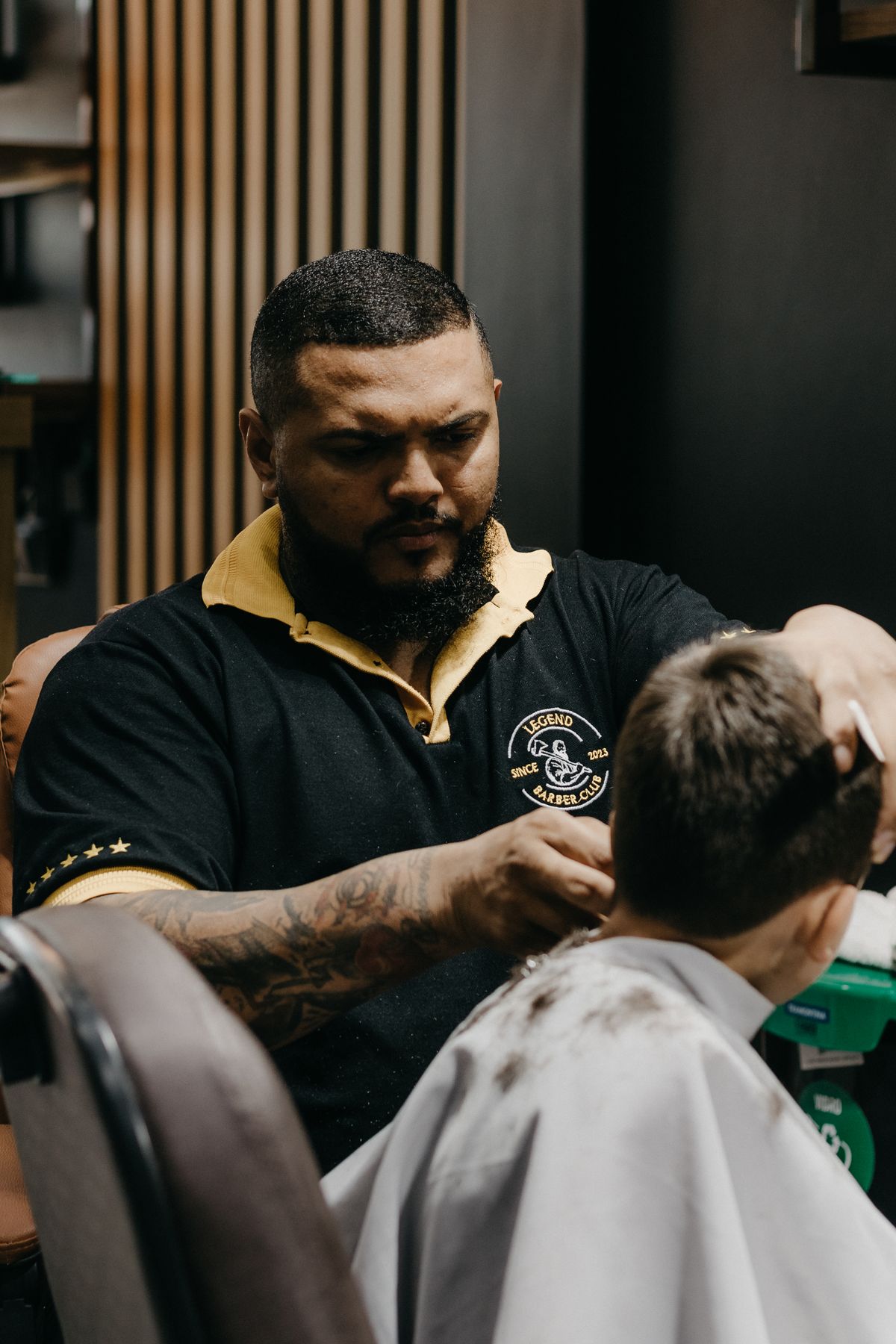
Image credits: Barber photo: Stock photo: Kawê Rodrigues / Pexels; Cover photo: Stock photo: August de Richelieu / Pexels.
Diagrams: self-drawn by Polishwise.
Product images from Lordhair product pages, linked to the source pages.
Product images are merchant images, not photos taken by this site.